Environmental Science and Policy


New study proposes climate resilience strategy to strengthen U.S. seafood competitiveness
University of Miami researchers outline a three-pillar approach for making domestic seafood production more stable amid climate-driven disruptions.


New analysis examines environmental claims, climate commitments of major meat and dairy companies
A review of 33 global firms finds climate-related claims widespread, with limited disclosure on supporting actions.


Vessel traffic alters behavior, stress and population trends of marine megafauna
An analysis of more than 40 years of published scientific literature shows vessel traffic can influence animal behavior, communication, stress physiology, and even long-term population trends.


Urban light pollution alters nighttime hormones in sharks, study shows
First-ever measurements of melatonin in wild sharks show that artificial light from coastal cities can disrupt nighttime hormone levels, with resident species more affected than highly mobile sharks.
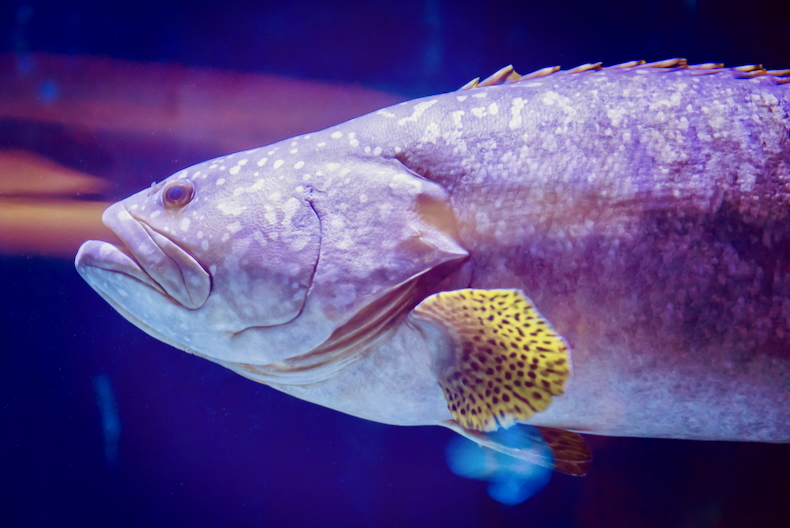

Essay highlights overlooked welfare risks for fish and aquatic animals
Researchers evaluate how standard animal welfare guidelines account for the biological needs of fish and other aquatic animals, including access to dissolved oxygen.


Manta rays create mobile ecosystems, study finds
A new study reveals how manta rays form unique interactions with other fishes in South Florida waters—highlighting their complex ecological interactions between species that support ocean life.


New framework redefines how we understand and manage chronic heat
A new study suggests a shift in how we define extreme heat, focusing on chronic, everyday exposure that endangers billions around the world.


Ecosystem disrupted following the disappearance of Great white sharks, new study finds
Known for their powerful ability to launch out of the water in pursuit of prey, the loss of Great white sharks from False Bay in South Africa has scientists and conservationists concerned about the rippling effects on the ecosystem.


New study sheds light on risks from residential heat and energy burdens in Miami
Many residents in Miami-Dade County and across the country face the dual challenge of dangerously hot homes and unaffordable cooling costs, which together drive-up intensifying risks to household health and well-being.