Faculty


Computing for Resilience
The 2025 Acadia Conference convened researchers, practitioners, and students at the University of Miami and Florida International University to examine how computational tools are reshaping the future of the built environment.
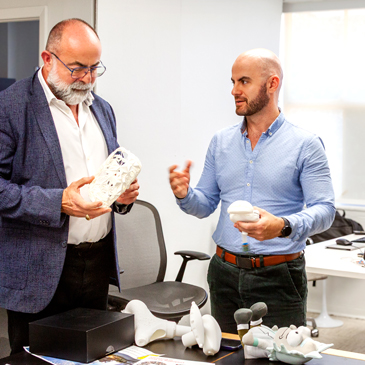
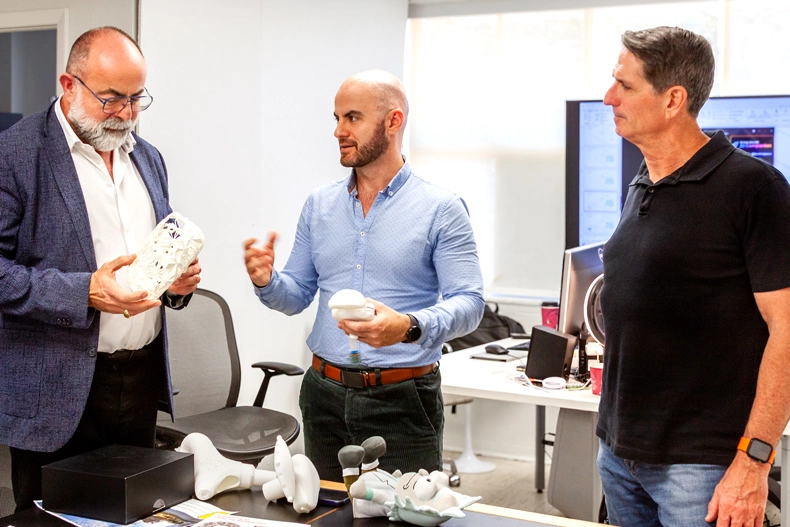
The AI revolution in architecture
Artificial intelligence is transforming architecture, facilitating the work that used to take hours, increasing efficiency and speed in design workflow.
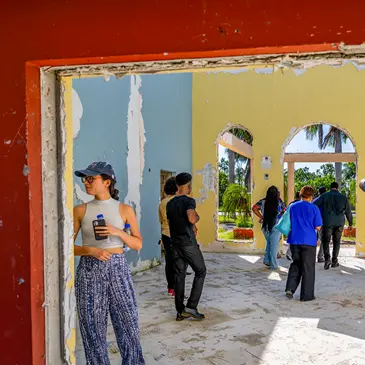
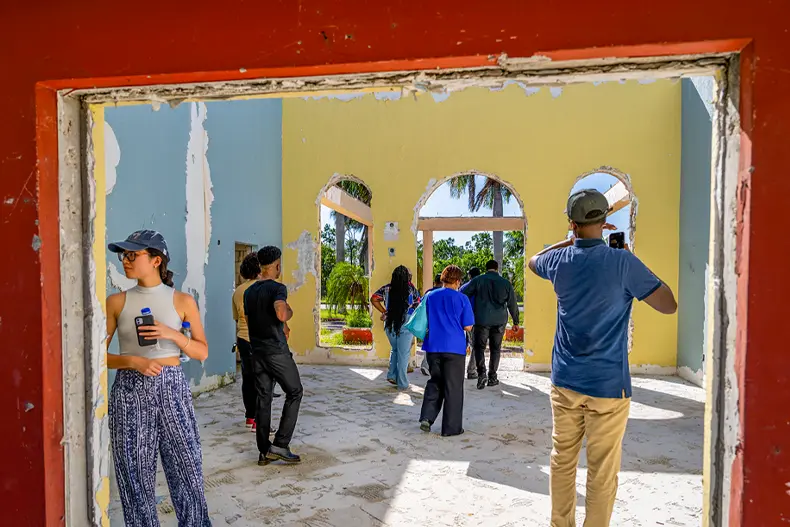
Building for the future
An interdisciplinary team from the University of Miami is helping to build resilience in Grand Bahama, which is still recovering from Hurricane Dorian—the storm that pummeled the island six years ago.
Building more than structures
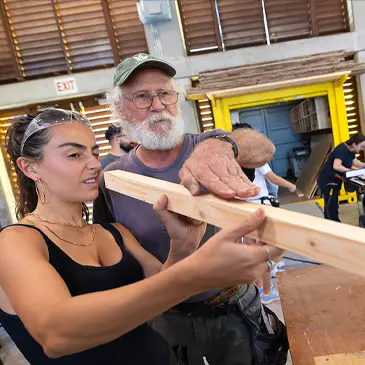
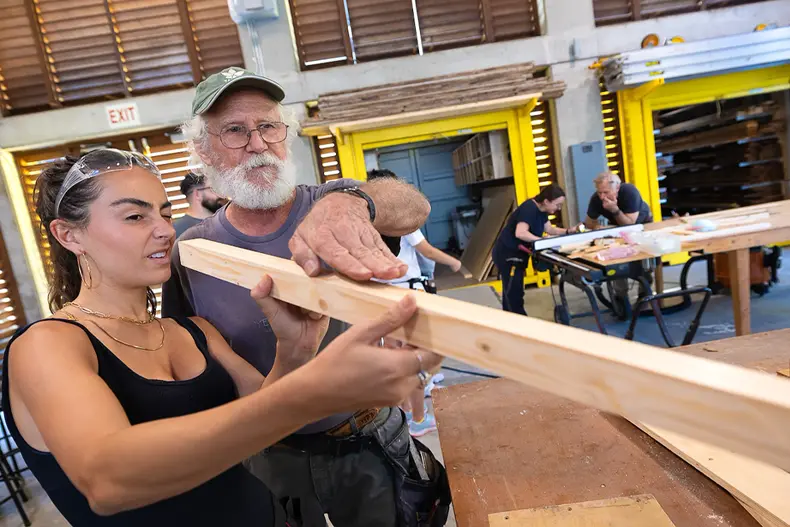
The Design Build Studio course in the University of Miami School of Architecture, led by professor Rocco Ceo and lecturers Jim Adamson and Jake Leonard, immerses students in every stage of architecture—from concept to construction—through projects that benefit underserved and nonprofit communities, emphasizing craft, material understanding, and civic impact.


Beauty for All
Professor Roberto M Behar’s installation reimagines the city as a collective work of art, transforming everyday urban space into a poetic landscape of imagination and shared hope.


Assistant professor Lily Chishan Wong advances architecture on the global stage
Wong’s work, including her São Paulo Biennale project and Bauhaus Dessau fellowship, explores how architecture connects climate, culture, and community to build more resilient cities.

Endowment honors ‘romantic developer,’ visionary
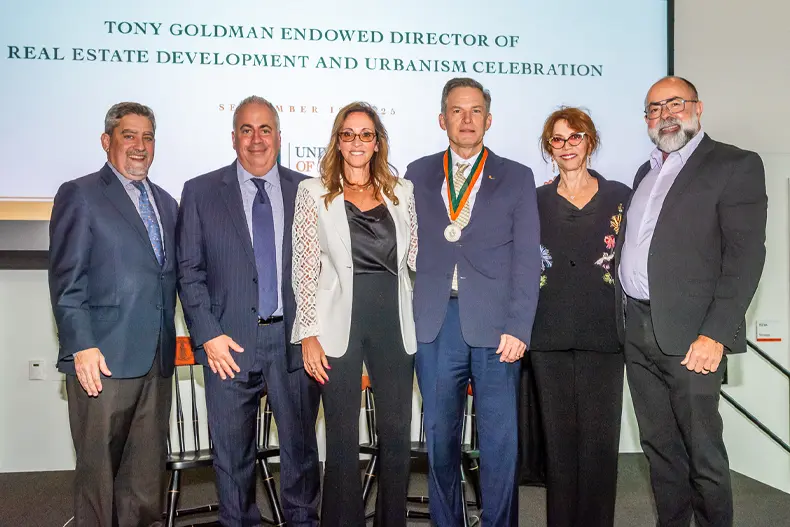
The University of Miami installed professor Charles Bohl as the inaugural Tony Goldman Endowed Director of Real Estate Development and Urbanism, honoring Goldman’s lasting impact on communities.


Joy Riding
Professor Germane Barnes transforms a Columbus parking garage into a vibrant celebration of Black car culture and community joy.

Smart Cities Miami Conference Explores Equitable Urban Futures
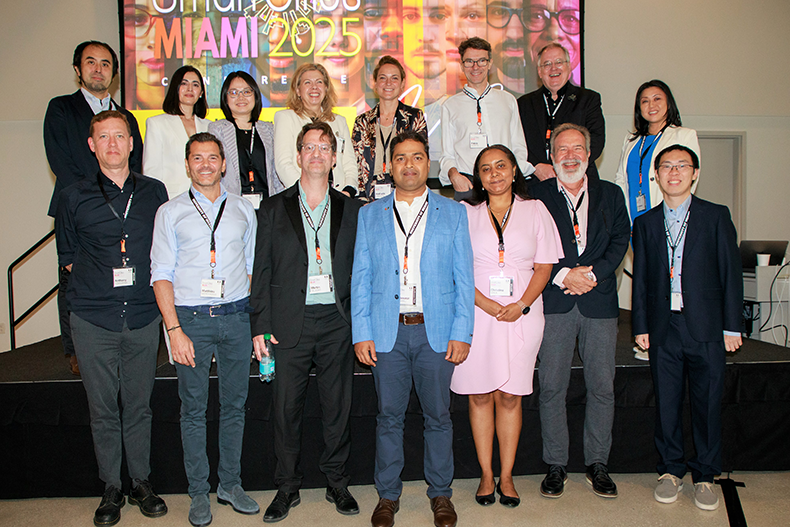
The University of Miami School of Architecture and the Frost Institute for Data Science and Computing brought together leading scholars, designers, and policymakers to explore how urban technology, data, and design can be combined to create more agile, human-centered, and sustainable cities.


University of Miami joins UN Habitat Network to advance sustainable urban development
Assistant professor Sarbeswar Praharaj’s efforts have led to the University of Miami’s recognition as a member of the UN Habitat University Network, fostering global collaboration in sustainable urban development.

Building Black Landmarks with Cultural Architecture
Demar Matthews brings his community project to UM as the Center for Global Black Studies Social Justice in Design Fellow and U-SoA Teaching Fellow.


Social Justice Prize honors two exceptional projects
This prize funds innovative projects that address social and environmental justice through the lens of architecture.


The University of Miami School of Architecture’s Littoral Urbanism (LU_Lab) embarks on a new collaboration with RIVA Spain.
This collaboration promises to open new avenues of research and innovation while enriching the learning experience for students and faculty alike.
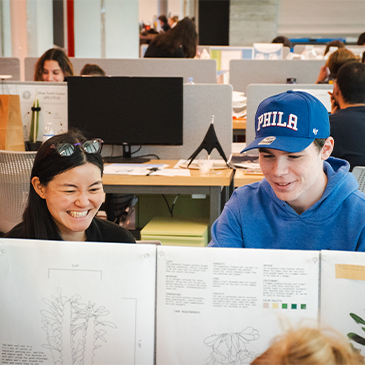
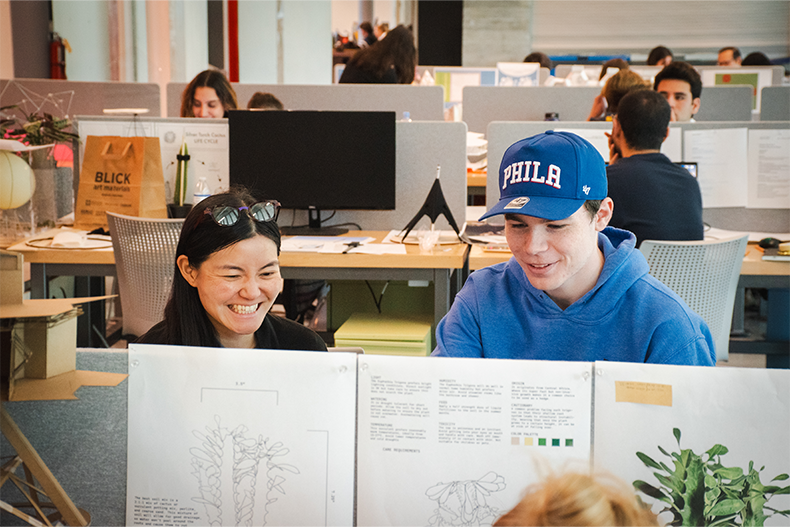
Professor Lily Wong explores our relationship with nature in new studio titled 'Pet Plants'
Pet Plants research studio is about the role of architecture as an interface for human-plant relationships and the act of planting as a form of social and environmental empowerment.