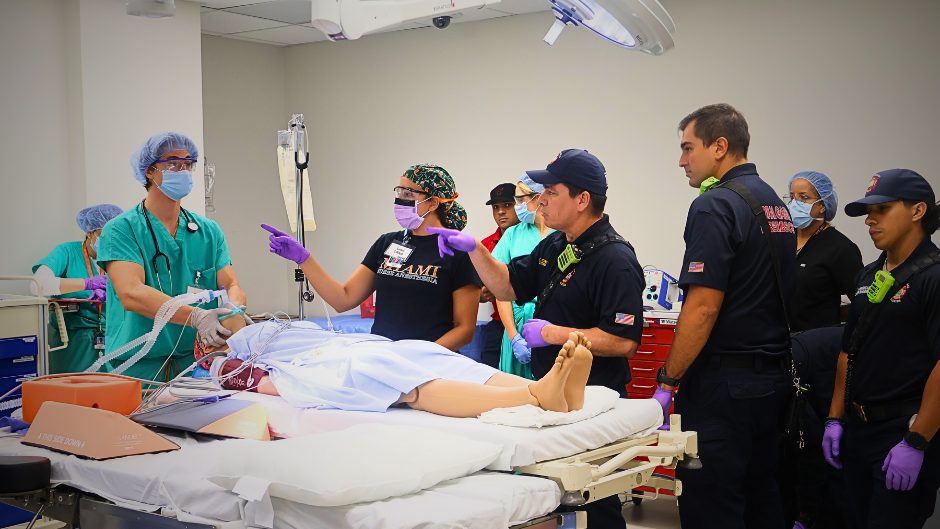
In Miami, the pursuit of beauty often comes with high risks. Kyle Durham, a captain with the Coral Gables Fire Department (CGFD), noticed an alarming rise in emergency calls related to increasingly prevalent plastic surgery procedures at outpatient facilities. Determined to make a difference, Captain Durham spearheaded Operation Ibis, a groundbreaking interprofessional simulation initiative in partnership with the University of Miami School of Nursing and Health Studies.
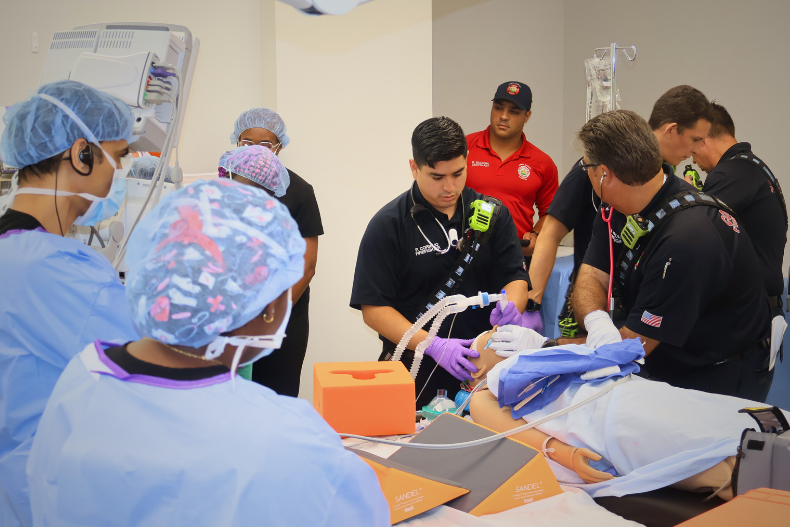
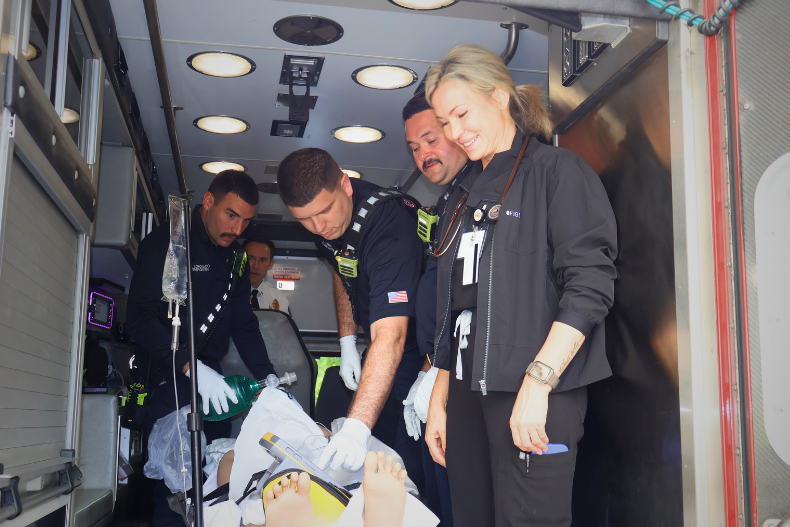
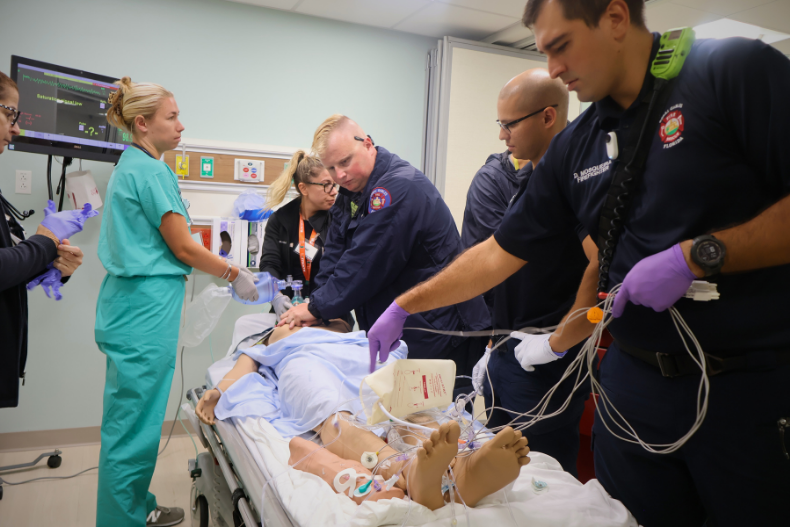
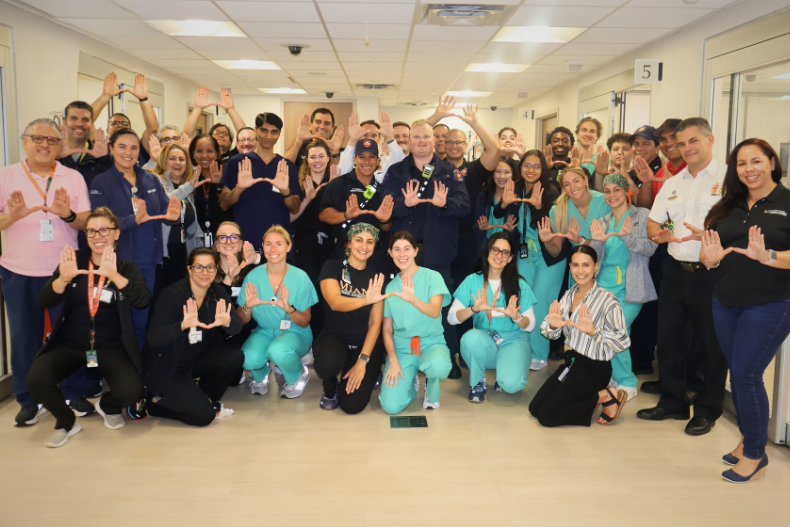
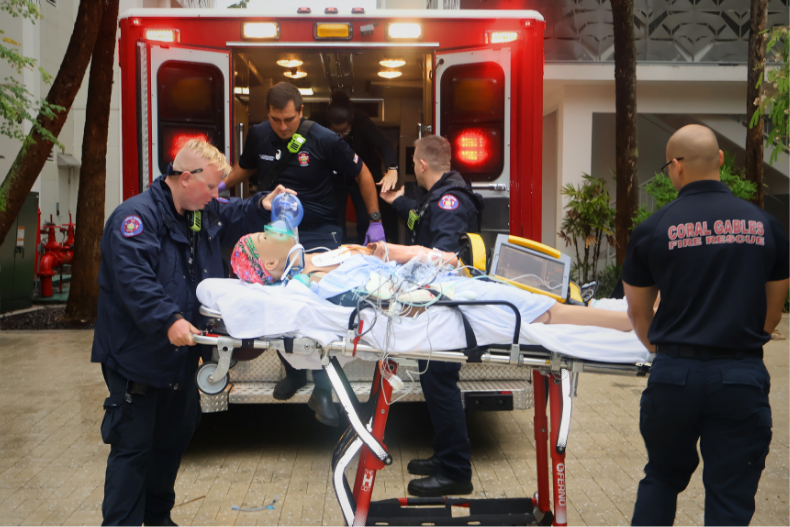
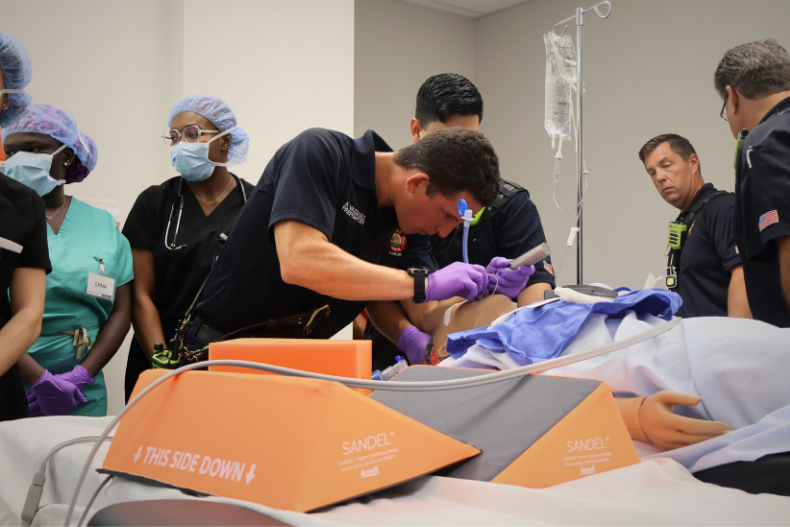
The training exercises took place at S.H.A.R.E. Simulation Hospital Advancing Research & Education®, where educators created a three-part scenario simulating real-life trauma challenges, including complications from elective surgeries. The simulation began with a prebriefing, followed by a scenario where a young woman experienced complications from a cosmetic procedure. Nursing students role-played as the surgical team, and a real CGFD crew responded to the emergency, transporting the patient to a simulated Level 1 trauma center, where another group of nursing students responded to the trauma in concert with CGFD’s team.
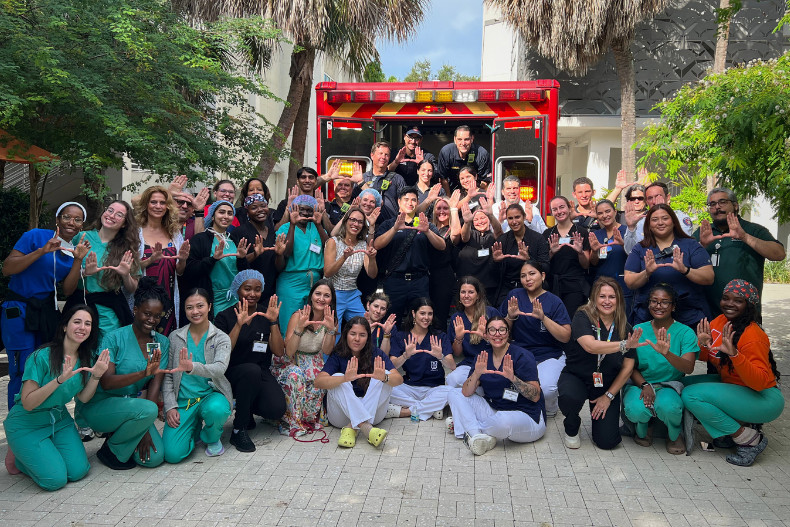
Throughout the exercise, participants focused on effective communication and teamwork. Observers, including faculty leaders and CGFD leadership, noted the importance of clear communication and the integration of different disciplines in providing patient care. The debriefing sessions highlighted the participants' reflections on the experience, with words like "realistic," "teamwork," and "collaborative" capturing the essence of the training.
Professor of Clinical Frank Guido-Sanz, associate dean for simulation education and research at the school, emphasized the need for inter- and intra-professional communication, while second-year D.N.P. student Christopher Lay reflected on the importance of collaboration in handling difficult patient scenarios. The initiative was deemed a success, with all participants gaining a deeper understanding of each other’s roles and the importance of working together to improve patient outcomes.
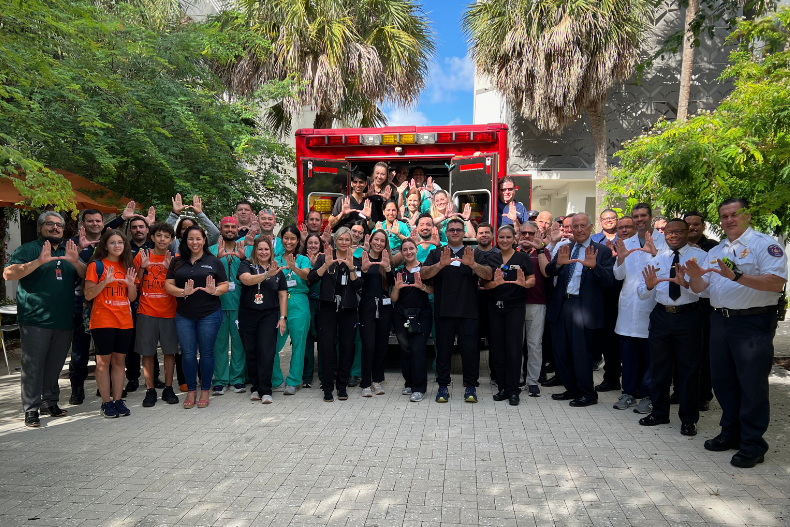
“Operation Ibis proved successful in more ways than one,” said Zuzer Calero, the executive director of business operations at S.H.A.R.E. “It provided an opportunity for fire rescue, anesthesia, and acute care nursing students to experience each other's roles in health care, fostering a greater appreciation for their combined efforts.”
Stay tuned for the fall edition of the school’s Heartbeat magazine to read the complete story of Operation Ibis.
Video: https://www.instagram.com/reel/DL2lV_XM7QL/?utm_source=ig_web_copy_link&igsh=MXNjNGZ6NTFmcHpiaQ==