Research


Newly discovered viruses reveal an evolutionary missing link
Using AI-powered tools and vast DNA databases, University of Miami researchers identified previously unknown viruses that offer new clues about the origins of life.


Unfolding DNA’s secrets
University of Miami doctoral student Bishal Shrestha is using artificial intelligence to detect unusual changes in DNA’s 3D structure over time, opening new possibilities for understanding how disease develops.


The science behind a baby’s smile
Two new studies suggest that smiling and other positive interactions with caregivers help shape infants’ emotional development.


University researchers take over ‘The Academic Minute’
University faculty members shared their expert insights nationally through “The Academic Minute,” a radio program and podcast featuring researchers from colleges and universities around the world.


Can AI models identify Parkinson’s patients at risk for faster decline?
Machine-learning models developed by University of Miami researchers used clinical, biomarker and imaging data to identify Parkinson’s patients at higher risk for rapid cognitive or motor decline.


A humanoid joins the RoboCanes team
A new humanoid robot is expanding the possibilities for artificial intelligence and robotics research at the University of Miami.


A sea of opportunity for health and sustainability
A new study suggests Brazil could improve public health and food security by making better use of its seafood resources.


Can spirituality ease loneliness?
A new study by a University of Miami psychology assistant professor will delve into whether spirituality can help buffer the effects of loneliness.
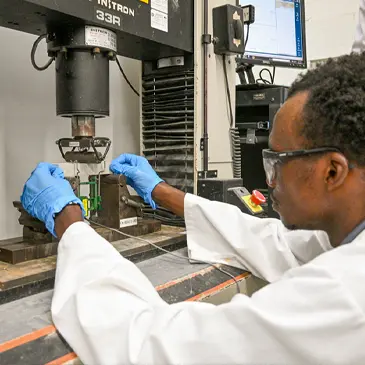
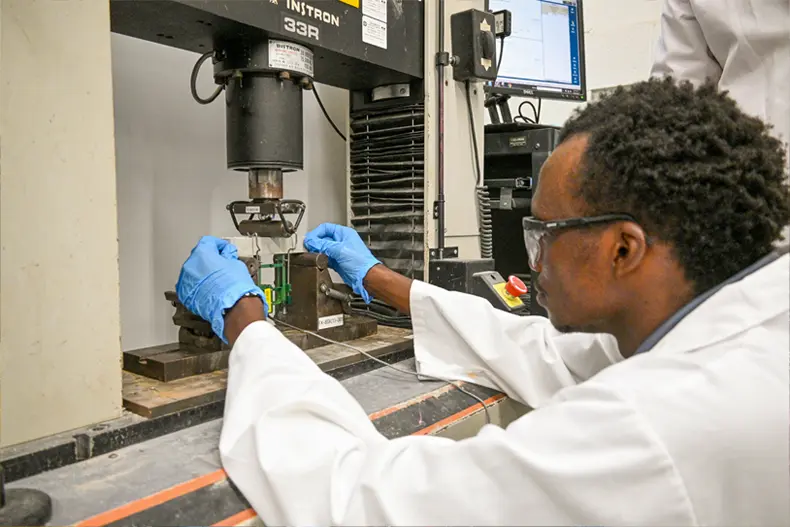
Gaining firsthand research experience
As part of a prestigious Research Experiences for Undergraduates program, 17 students spent the summer working in physics and engineering labs across the University of Miami.


This AI tool doesn’t just speak languages—it invents them
Machine learning researcher Morris Alper developed ConlangCrafter, a tool that constructs new languages.


Bridging disciplines to accelerate autism research and interventions
Made possible through the generosity of The Batchelor Foundation, Inc., the Batchelor Bridge for Autism Grant Program will propel groundbreaking interdisciplinary research and evidence-based interventions to help children and families throughout South Florida and beyond.


Study examines Miami-Dade County resilience plans
University of Miami researchers analyzed 37 plans across the county, identifying strengths, gaps, and opportunities for greater collaboration at the regional, county, municipal, and neighborhood levels.


A potential discovery from the dawn of time
Two University of Miami astrophysicists believe a recent unusual signal detected by a powerful ground-based observatory could provide solid evidence that primordial black holes—thought to have formed in the cosmic soup just after the Big Bang—really do exist.


New neuroimaging study captures the brain in high‑stakes moments
University of Miami researchers will use real-world exam stress and cutting-edge computational tools to study the neural dynamics of anxiety and depression.


Using AI to free physicians from paperwork
University of Miami students and alumni developed an AI-powered platform to streamline clinical documentation and improve patient care.

