Topic: Environmental Science and Policy


Biscayne Bay recognized as an essential habitat for sharks and rays
New international designation highlights the urban estuary’s role as a nursery, feeding ground and reproductive habitat for 11 species


Study challenges estimates used to guide Atlantic menhaden fishing
Reanalysis of a historic tagging study could help managers better balance commercial harvests with the needs of coastal food webs.


Study offers new clues to a long-standing mystery about bonnethead sharks
Research finds the distinctive head shape of male and female bonnetheads develops differently than previously believed and is not explained by diet.


New study proposes climate resilience strategy to strengthen US seafood competitiveness
University of Miami researchers outline a three-pillar approach for making domestic seafood production more stable amid climate-driven disruptions.


Honoring faculty accomplishments
The 2026 Provost’s Awards offered a chance to elevate the work of some top instructors and researchers from across the University’s three campuses.


New analysis examines environmental claims, climate commitments of major meat and dairy companies
A review of 33 global firms finds climate-related claims widespread, with limited disclosure on supporting actions.


Vessel traffic alters behavior, stress and population trends of marine megafauna
An analysis of more than 40 years of published scientific literature shows vessel traffic can influence animal behavior, communication, stress physiology, and even long-term population trends.
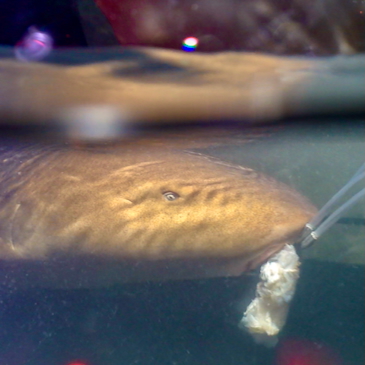
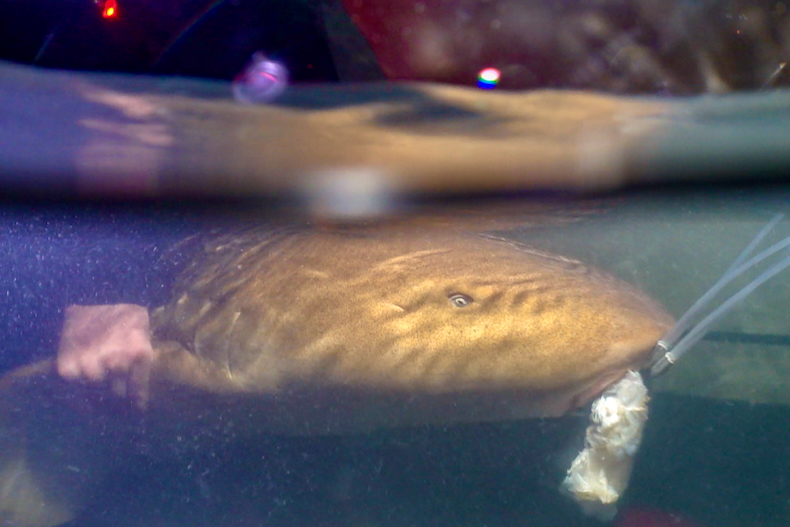
Urban light pollution alters nighttime hormones in sharks, study shows
First-ever measurements of melatonin in wild sharks show that artificial light from coastal cities can disrupt nighttime hormone levels, with resident species more affected than highly mobile sharks.