Research


With El Niño in play, hurricane researchers zoom in on the Pacific
University of Miami oceanographer Lynn “Nick” Shay is using data gathered from Hurricane Polo to study ocean-atmosphere interactions and the elusive surface drag coefficient that helps determine the wind stress of tropical cyclones.


An ‘umbrella' for coral reefs
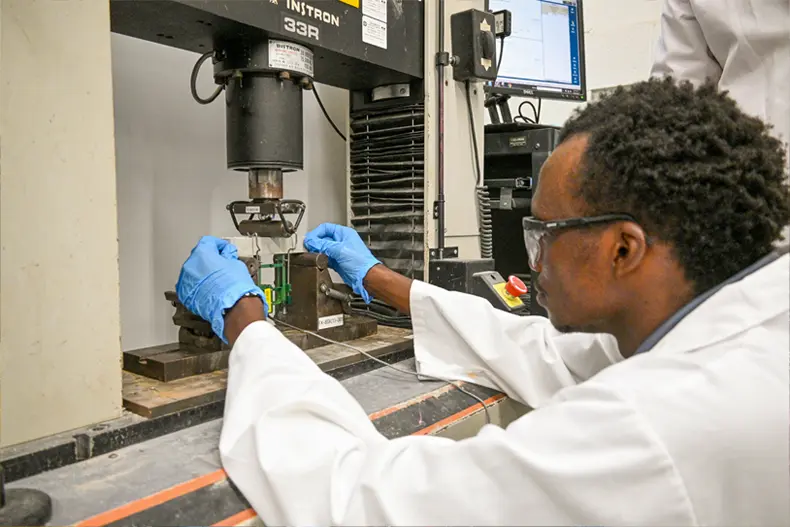
Three engineering students from the University of Miami created a solution to help protect delicate corals from harmful UV rays and hope to conduct more large-scale testing in the ocean soon.


Reconstructing the Great Miami Hurricane of 1926
A century after the historic storm devastated South Florida, a University of Miami scientist has created new wind field maps that offer a detailed visualization of the massive cyclone that not only changed the region forever but also inspired the nickname of the institution that opened shortly after it struck.


University researchers take over ‘The Academic Minute’
University faculty members shared their expert insights nationally through “The Academic Minute,” a radio program and podcast featuring researchers from colleges and universities around the world.


AI’s eye on the tropics
A University of Miami-led study found that artificial intelligence can complement traditional weather models by offering useful guidance Atlantic tropical cyclones several days before they form.


Forging global connections
A University of Miami student and a recent graduate were chosen this summer as Fulbright recipients, joining the University’s cohort selected for the international program this year.

Sirens to Odysseus: Are you listening?
A University of Miami specialist in the classics challenges the mythical representation of the Sirens in Homer’s epic, casting the sea nymphs as a subversive threat to ancient Greek social order.

Tracking sargassum at sea
University of Miami scientists, collaborating with a local aerospace and technology company, have developed and deployed high-tech drifters to predict the seaweed’s path to shore.




A pioneer on the AI legal frontier
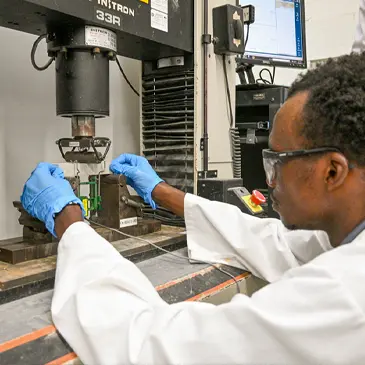
The Miami Law and AI Lab, an interdisciplinary work team, is researching and developing tools to improve efficiencies across the legal domain and educating a new generation of lawyers on the ways that AI is impacting the profession.

Can you spot fake news or images?
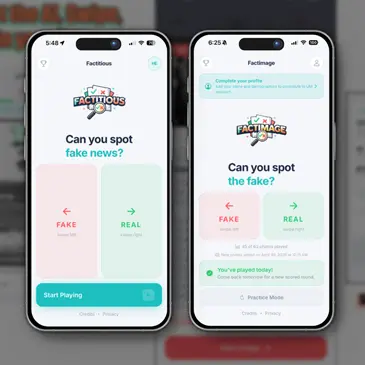
A University of Miami professor has developed two apps to test your knowledge in telling apart real or fake images or texts.


Study examines Miami-Dade County resilience plans
University of Miami researchers analyzed 37 plans across the county, identifying strengths, gaps, and opportunities for greater collaboration at the regional, county, municipal, and neighborhood levels.


University of Miami
Coral Gables, FL 33124
305-284-2211
University of Miami
UM Network
Tools and Resources
Visit
Connect